


Charles Jennings
Technical & Sales Director at Jennings & Cooke.
Chartered Civil Engineering Surveyor, Geospatial Consultant, Remote Pilot,
Technical Sales Specialist.
…
The surveying profession has largely accepted software subscriptions. We might not like them, but, if software is continually evolving, receiving new functionality and benefiting from cloud services, there is at least a commercial argument for Annual Recurring Revenue (ARR).
But hardware is different. When you invest tens of thousands of pounds in a laser scanner, you expect to own a productive asset that will continue delivering value for years.
That expectation is now being challenged.

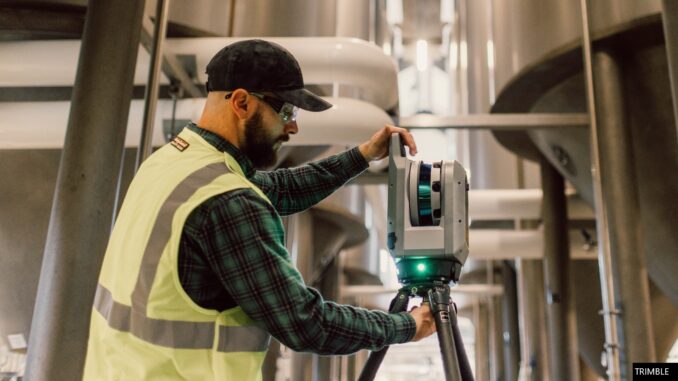
The Trimble Geospatial X7 was one of the most successful terrestrial laser scanners in its class. Its intuitive tablet workflow, automatic self-calibration and ease of use made it an excellent competitor to the Leica Geosystems RTC360. Whilst it did not match the RTC360 in every specification, for measured building surveys, topographic surveys and many engineering applications, it offered outstanding value.
One of its greatest strengths was the self-calibration system.
Surveyors understand that scanners require calibration to maintain accuracy. Leica and RIEGL Laser Measurement Systems users are familiar with periodic factory calibration because it provides a clear engineering benefit: the instrument is checked, tested and certified.
Calibration provides value. For engineering applications, in particular, a verifiable, professional manufacturer-certified calibration is essential for as-built information and monitoring.

The X7’s self-calibration removed much of the inconvenience associated with traditional calibration workflows. It was a genuine differentiator.
The X9 continued that technical excellence. The idea of a scalable scanner was actually sensible. If a customer does not need the maximum range capability today, why pay for something they will not use? Unlocking additional capability when required is a reasonable commercial model.
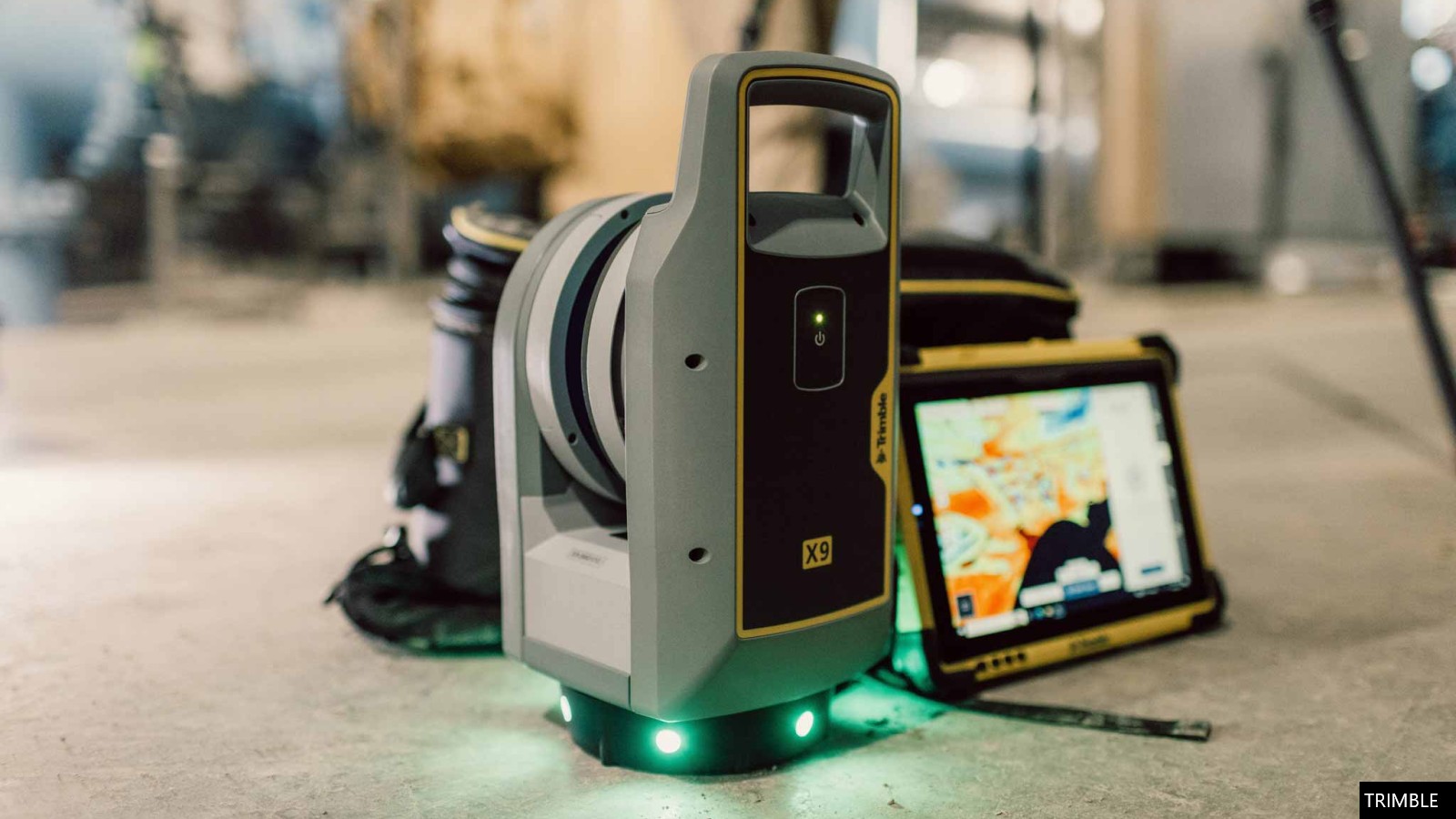
The introduction of hardware licensing, however, changes the ownership conversation. Charging per year to maintain access to functionality on hardware that has already been purchased is a difficult proposition for many survey businesses.
From Trimble’s perspective, the logic is understandable. Annual Recurring Revenue (ARR) is highly valued in technology businesses because it creates predictable income.
The challenge is that a laser scanner is not software – it is a capital asset.

Survey companies traditionally invest in equipment, expecting years of productive service. The idea that functionality could depend on maintaining an annual payment changes the relationship between customer and manufacturer.
To be fair to Trimble, customers do have options. Perpetual licensing remains available, and users can also move to LT or Core licence tiers if they find they do not require the full capability set or want to reduce ongoing costs from the Premium tier.
The concern is not that there are no choices. The concern is the principle.
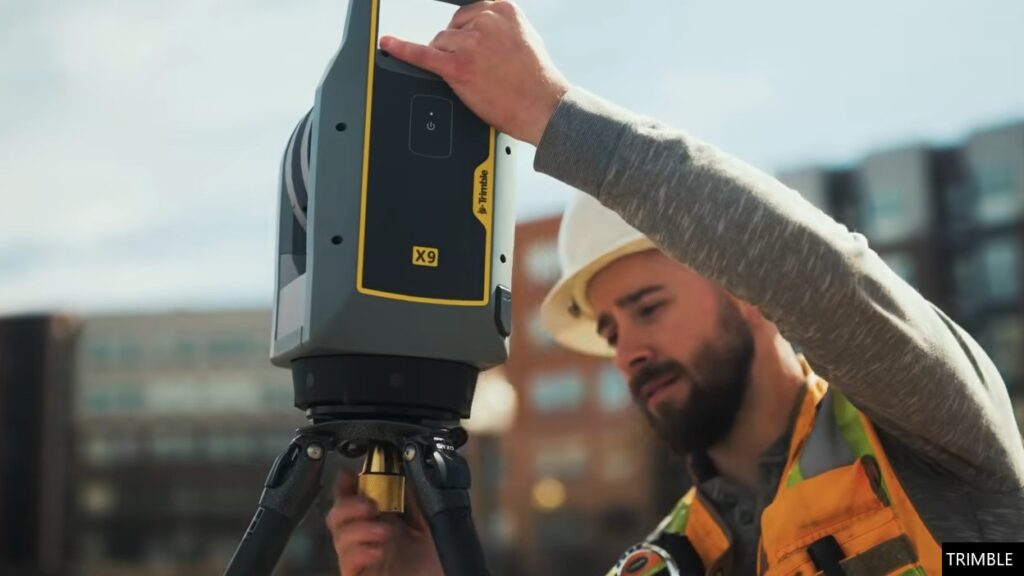
I struggle to see the value, from a customer’s perspective, in paying an ongoing fee simply to continue using hardware that has already been purchased.
The X9 is the same hardware whether you have LT, Core or Premium or if you choose a subscription or a perpetual licence. In theory there is no reason, apart from a product code applied that an X9 can’t be Premium forever. It is just an expensive key applied by the reseller.
That said, the X9 itself is an excellent scanner.
If you have a strong pipeline of scanning work and the instrument is generating thousands of pounds of value each week, the ongoing licence cost becomes much easier to justify. Like any business investment, the question is whether it produces a return.
The debate is not about the capability of the X9. It is about the future relationship between manufacturers and customers.
Surveyors value innovation, but they also value ownership, reliability and long-term confidence in the equipment they invest in.
The X9 remains a very capable instrument. The question is whether this licensing approach strengthens or weakens its position in a competitive market.
This article represents my personal views and observations as a surveying professional. It is not written on behalf of Jennings & Cooke Ltd, nor does it represent the position of any manufacturer or partner organisation. The intention is simply to encourage discussion around the changing relationship between surveyors, technology providers and the equipment we invest in.
Be the first to comment